News
During the orientation phase one week before the start of the semester, the GeistSoz student council will provide you with all the important information about commencing your studies.
Read more by clicking here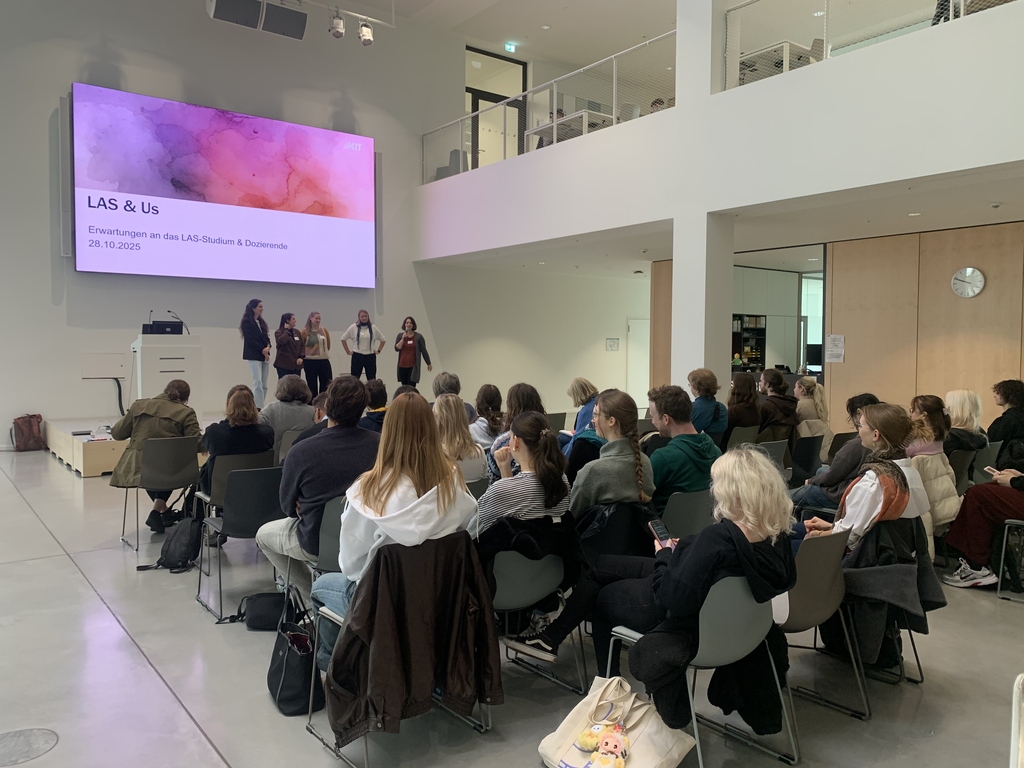
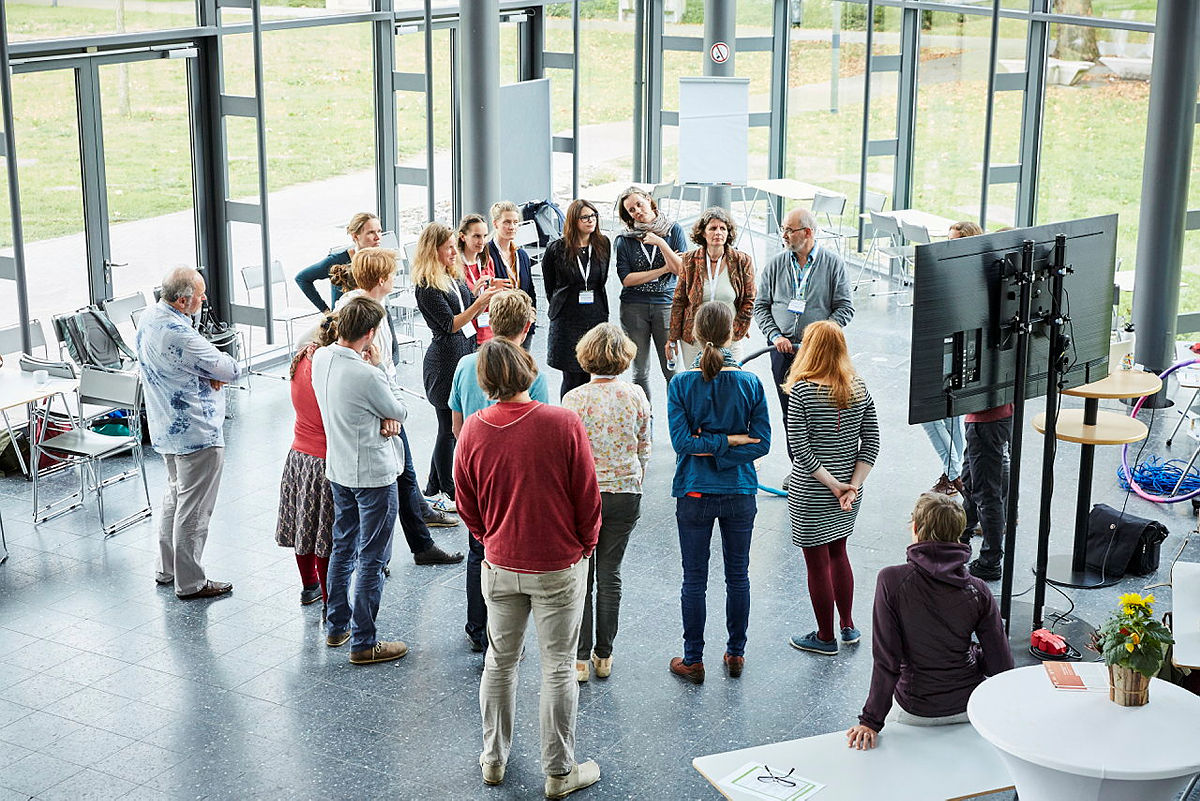
The semester for the Liberal Arts and Sciences degree program kicks off during the last week of October with numerous informational courses: It starts with the LAS Kickoff and the welcome events for first-year students on Monday (Oct. 26). On Tuesday, first-year students can meet our faculty members and ask questions during the “LAS Open Doors” event. On Wednesday, the major programs and the student representatives introduce themselves. This exciting week ends with the kickoff of the Core lecture series. We wish all first-year students the best in their studies!
Link_more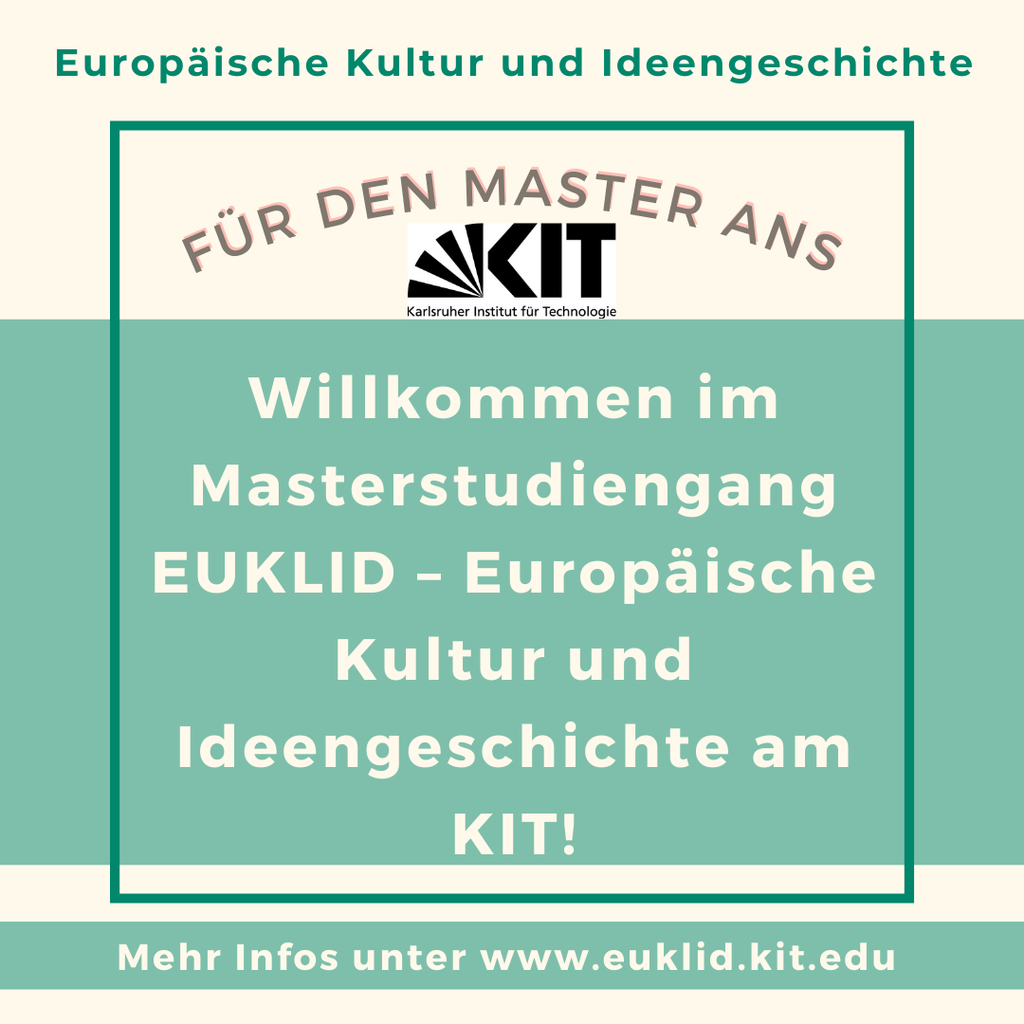
You have completed your Bachelor's degree and would like to deepen your history studies - interdisciplinary, practical and with a lot of creative freedom? Then the EUKLID Master's degree program at the Karlsruhe Institute of Technology (KIT) is just right for you!
Special features of the program:
-> Small groups and intensive supervision
-> Choice of modules and courses
-> Final thesis in either history or philosophy
-> Start in the summer or winter semester
Are you interested? You can find all information about the program structure here
Does your BA degree give you access to the MA Euclid? Do you have any other questions? Make an appointment with the Student Advisory Service: fachstudienberatung.geschichte∂itz.kit.edu

The new issue of the journal *Ferrum*, on the topic of “Low-Tech: Procedures, Actors, Concepts,” is available as open access. Marcus Popplow, as a member of the Scientific Advisory Board, was jointly responsible for the conception of the previous conference at the Eisenbibliothek (Schaffhausen); Silke Zimmer-Merkle has contributed an article to the issue.
Read more by clicking here
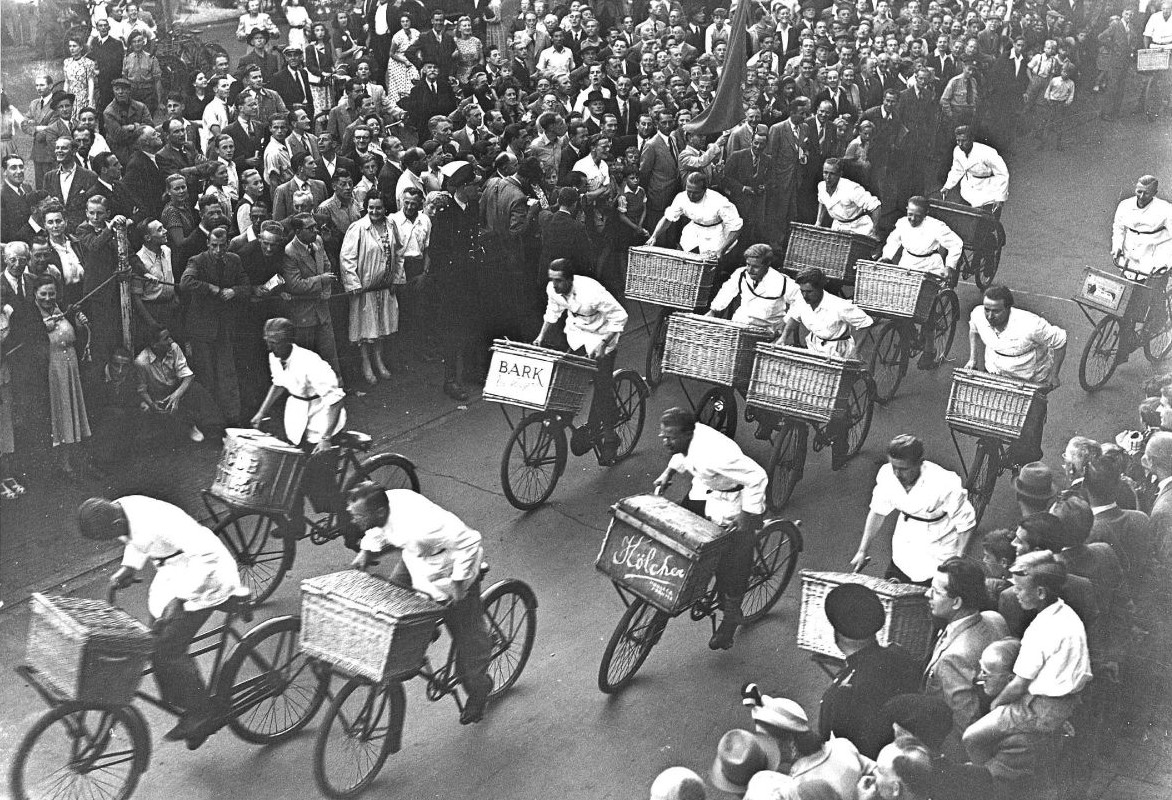
In this interview, Rolf-Ulrich Kunze puts the Germans' love of model railroads into historical context. To mark the 25th anniversary of Miniatur Wunderland in Hamburg, a podcast was produced dedicated to the favorite pastime of Horst Seehofer and many other West and East German citizens.
Hear more by clicking here
On July 28, Tim Schanetzky (currently holding the Chair of Modern and Contemporary History at the University of Freiburg) gave a lecture at the research colloquium titled "Contemporary History and Civic Education: More Than Just a 'Reference Discipline'." His research focuses on areas such as the history of capitalism and the history of political ideas, particularly regarding the interconnections between the economy and politics after 1945. In September, he and others are publishing the volume *Der Mann fürs Bunte. Franz Burda und sein Medienunternehmen* with C.H. Beck Verlag.
Link_more